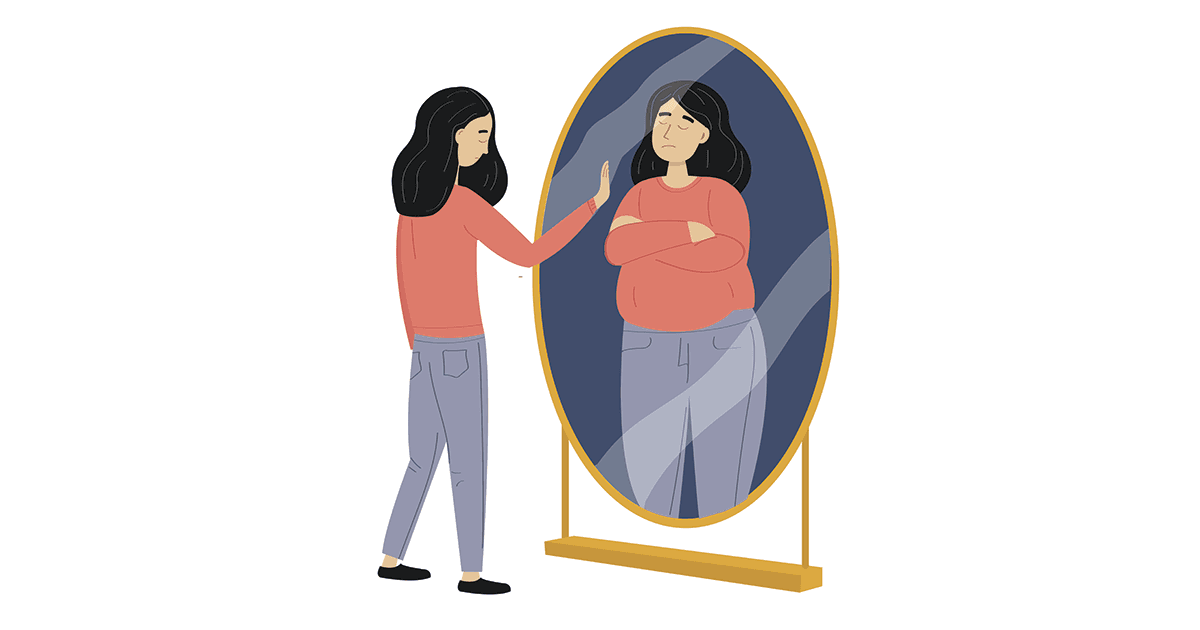
Eating Disorders & Homeopathy
Eating disorders are serious health conditions that affect both physical and mental health.
What are Eating Disorders?
Eating disorders are a range of conditions involving unhealthy eating habits. In today's fast-paced lifestyle, they have become increasingly common. Although often dismissed as temporary phases, they are actually serious psychological health disorders.
1. Their Eating Disorder affects everyone.
Eating disorders can affect anyone at any age, regardless of gender, race, or ethnicity. However, they are most common in young women during childhood and adolescence, who suffer from distorted body image and idealistic social perceptions. If not checked and treated at the right time, it can lead to complications that may be irreversible. It is also associated with depression, anxiety, self-harm, and suicidal thoughts and behaviors. These conditions include problems with how food, weight and body shape are handled,
Anorexia nervosa Bulimia nervosa Binge Eating Disorder Avoidant or Restrictive Food Intake Disorder Purging disorder (through vomiting and laxatives) Night Eating Syndrome
Gastroesophageal reflux disease Distorted body image Excessive eating or binge eating Intentional food deprivation Striving for ideal body weight Constant fear of weight gain Taking medications to reduce hunger or taking laxatives Feeling of lack of control over eating and weight Need to "burn" the calories consumed Feelings of guilt and shame after eating Infrequent or irregular, or even loss of menstrual periods in women Feelings of worthlessness or hopelessness Low tolerance to cold weather Brittle hair and nails Anemia Constipation Dryness or yellowing of the skin Hair loss, etc.
The exact cause of eating disorders is not known, but there are emotional and physical causes that may trigger it. Emotional causes such as: Low self-confidence / Anxiety / Feeling of inadequacy / Anger / Loneliness Traumatic relationships Misperception of weight / body image Peer pressure Social media promotes the "ideal" thin figure Natural causes can be: Puberty or hormonal changes Heredity
2. Homeopathy for Eating Disorders:
Homeopathic treatment of eating disorders approaches the disorders holistically. In homeopathy, the person is the main focus, not the disease. By considering all aspects — social, psychological, emotional — homeopathy aims to eliminate the root cause and underlying trigger of the disorder. Initially, an in-depth examination is conducted, including temperament, patient history, family history, and psychological tendencies. Then, a suitable treatment is selected that provides long-term relief from unhealthy eating patterns and compulsive behavior. The treatment is natural, safe, and without side effects. It also helps treat emotional imbalances and stress-related triggers — ultimately improving mental and physical health.
* This information is for educational purposes only and does not replace medical or homeopathic advice. Always consult your doctor or homeopath.