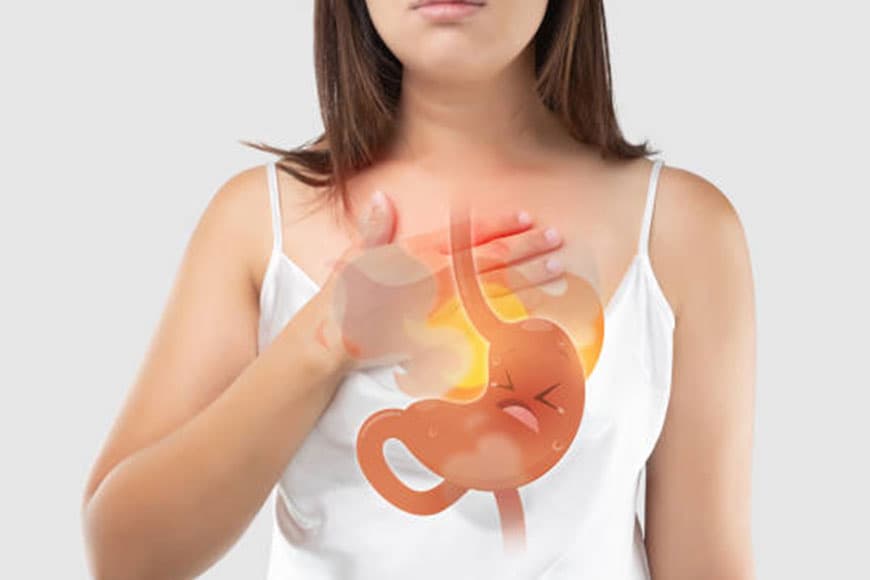
Gastroesophageal reflux and homeopathy
Gastroesophageal reflux disease is a common disease found in people of almost all age groups.
Our stomach produces gastric juices for the proper digestion of the foods we eat. These remain in the stomach and never go into the esophagus, the food pipe that carries the food we take in to the stomach. Between the stomach and the esophagus there is a special muscle that stops any leakage of food or enzymes from the stomach into the esophagus. The muscle opens only when we take in food and closes immediately after the food passes into the stomach.
However, when gastroesophageal reflux occurs, the function of the muscles connecting the stomach and esophagus is disrupted and allows enzymes formed in the stomach to enter the esophagus.
While occasional acid reflux is normal for most people, those who experience symptoms more than twice a week should get tested, as this condition can cause complications.
1. Chest pain
Chest pain is caused by stomach acid flowing back into your esophagus and causing irritation.
2. Nausea
A feeling of uneasiness and discomfort in the stomach, often leading to vomiting.
3. Pain when swallowing
Pain when swallowing can be quite painful for many people.
4. Heartburn
Heartburn occurs when stomach acid flows back into the esophagus.
5. Chronic cough or hoarseness
Chronic cough or hoarseness is a common symptom of gastroesophageal reflux disease.
6. Loss of appetite
Another symptom of GERD that should not be ignored is loss of appetite. Acid reflux can cause this loss of appetite, among other things.
7. Upper abdominal pain
Upper abdominal pain is a common symptom of gastroesophageal reflux disease and usually occurs after eating, especially if you have had a large meal.
8. The frequent sour taste of acid
The sour taste can be quite unpleasant and may worsen after eating certain foods or lying down.
9. Choking sensation
One of the symptoms of gastroesophageal reflux that can be particularly frightening is the feeling of choking. This sensation can make you feel like something is stuck in your throat or that you are having difficulty breathing.
10. Bad breath
Bad breath occurs when stomach acid backs up into the esophagus.
11. Smoking
Smokers are more likely to experience reflux symptoms, such as heartburn and regurgitation.
12. Obesity
When a person is overweight, it puts pressure on their stomach, which can cause stomach acid to back up into the esophagus.
13. Pregnancy
Pregnancy also increases the risk of gastroesophageal reflux.
14. Lower Esophageal Sphincter Dysfunction
Between the stomach and the esophagus, the esophageal sphincter acts as a barrier; when it relaxes or does not close properly, it allows acid to flow upward into the esophagus.
15. Certain foods and drinks
Spicy foods, chocolate, and tomato-based products are just a few examples that can trigger an episode by relaxing or irritating gastric contents, allowing them to re-enter our food pipe.
16. Hiatal hernia
Hiatal hernia can cause acid reflux and heartburn.
17. Alcohol
Alcohol is a common cause of gastroesophageal reflux disease. This can lead to heartburn and discomfort.
18. Medication
Some medications can weaken or relax the lower esophageal sphincter, resulting in reflux of stomach acids back into the esophagus.
19. HOMEOPATHIC THERAPY
Many adults worldwide suffer from gastroesophageal reflux disease. For some, it may be a mild inconvenience, but for others, it can have a debilitating impact on their quality of life. Homeopathic treatment is tailored to the symptoms and needs of each individual. When choosing the appropriate treatment, a homeopath takes into account the patient's overall health history, lifestyle habits, and emotional state. Homeopathic remedies help reduce stomach acidity levels, while also treating other symptoms, such as heartburn and bloating. In addition to homeopathic treatment, lifestyle changes are essential for the effective treatment of gastroesophageal reflux disease.
20. LIFESTYLE CHANGES
Lifestyle changes are crucial for managing the symptoms of GERD. One of the simplest yet effective ways to find relief is to change your diet and eating habits.
21. Avoid foods
Avoid foods that cause flare-ups such as spicy, acidic or fatty foods, chocolate, alcohol and caffeine. Eat smaller meals more frequently instead of one large meal to reduce pressure on the lower esophageal sphincter. Chew food slowly and thoroughly before swallowing.
22. Maintaining a healthy weight
It also helps manage symptoms of GERD, as excess weight can put pressure on your stomach, which increases the likelihood of acid reflux. Regular exercise can help with weight loss while reducing stress levels that can worsen GERD symptoms.
23. Avoid lying down immediately after eating
If you want to reduce your risk of acid reflux after eating, wait at least 2-3 hours before lying down or going to bed. Elevate your head while sleeping by using pillows or an adjustable bed frame.
24. Quit smoking
Smoking weakens the esophageal sphincter, which allows stomach acids to flow back into the esophagus, causing heartburn and other symptoms. By incorporating these lifestyle changes into daily routines along with homeopathic medicines for the treatment of gastroesophageal reflux, patients can better manage their condition so they can live their lives symptom-free.
25. Conclusion
By addressing the underlying causes of GERD, homeopathy provides a holistic approach to its treatment. Through personalized treatments based on the patient's unique symptoms and temperament, homeopathy can effectively relieve symptoms such as heartburn, indigestion, and acid reflux without harmful side effects. To ensure safe and effective treatment, consult a qualified homeopath. In addition to seeking medical advice and following recommended treatments, lifestyle changes, such as avoiding trigger foods, maintaining a healthy weight, and engaging in stress-reducing activities, can significantly improve symptoms of gastroesophageal reflux. When dealing with GERD, consistency and patience are essential. Changes will not happen overnight, but with dedication and perseverance, relief from GERD symptoms can be achieved through homeopathy and lifestyle modifications.
* This information is for informational purposes only and does not constitute medical advice. The publication of this information does not constitute the practice of medicine or homeopathy and does not replace the advice of your doctor or homeopath.